
How to Choose a Jeweler
I had a client come to me after spending months working with another jeweler on her engagement ring. She'd put down a deposit. She'd gone through multiple rounds of revisions. And when the ring finally arrived, it looked nothing like what they'd discussed. The stones were lower quality than she'd been told, the setting was different from the CAD she'd approved, and when she raised concerns, the jeweler got defensive and told her she was being too picky.
She wasn't being too picky. She was being lied to.
I hear some version of this story regularly. Someone trusted the wrong person, spent real money, and walked away with something that didn't match what they were promised. And the worst part is that most of them had a feeling something was off early on but didn't know what to look for.
So here's the cheat sheet I wish every client had before they started.
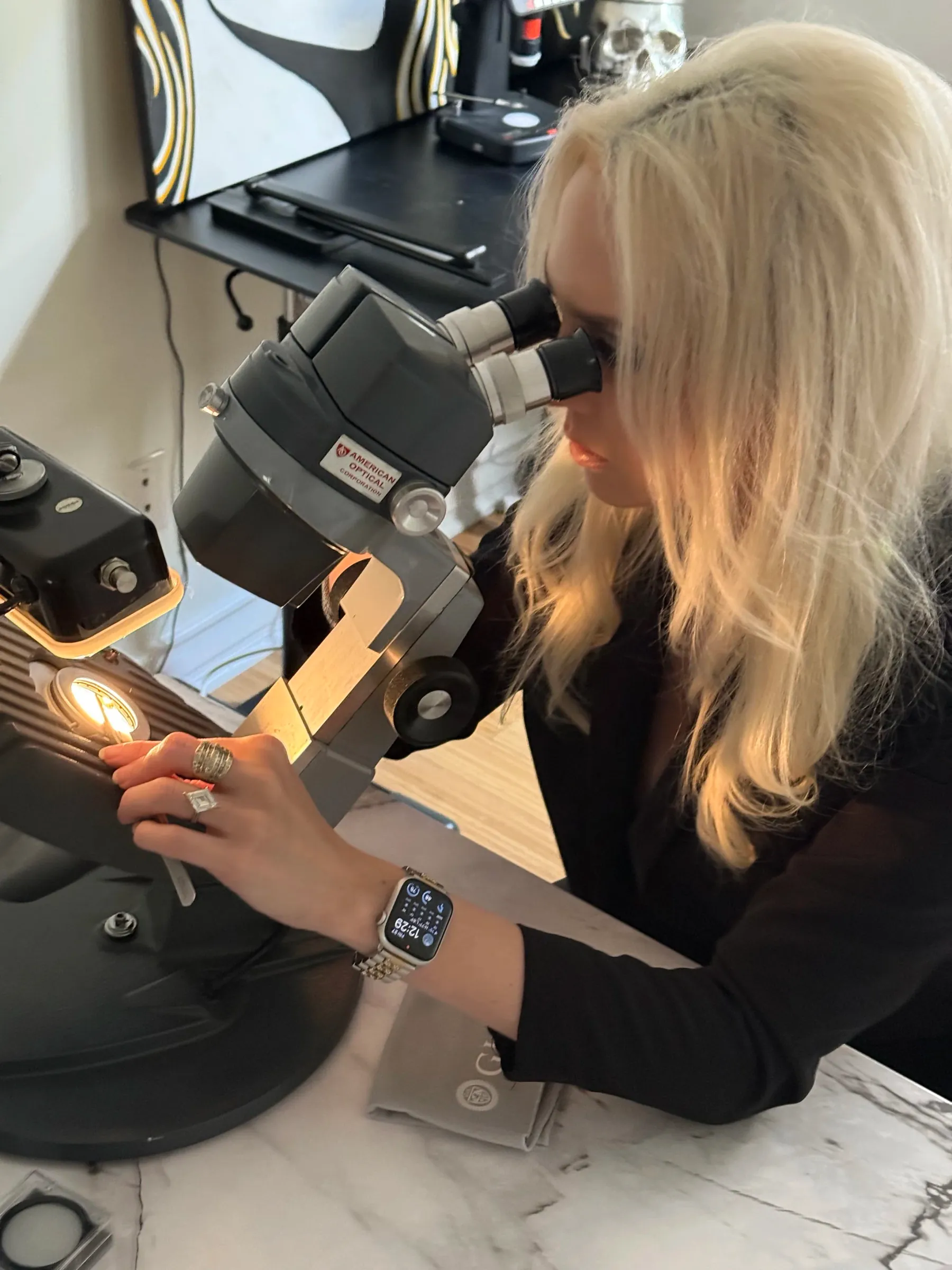
Ask How They Source Their Stones
This is the single biggest tell. When you ask a jeweler where your diamond or gemstone comes from, you should get a real answer. Not "we work with the best suppliers" or "we only carry high quality." Those are marketing lines, not answers.
What you want to hear is specificity. How many stones did they look at before presenting options to you? Do they work with a single supplier, or do they go to the broader market? Are they showing you multiple options and walking you through the differences, or are they handing you one stone and saying "this is the one"?
A jeweler who is loyal to a vendor isn't necessarily loyal to you. Those two things can conflict, and they often do. If your jeweler shows you stones exclusively from one source, you're not seeing the best stone for your money. You're seeing the best stone their supplier happened to have. That's a very different thing, and it's worth understanding how real sourcing works.
Watch Whether They Show You the Stone or Just the Paperwork
Certificates are important. I use them. But a certificate is a guide, not a guarantee of beauty. Two diamonds with identical specs on paper can look completely different in person. One might have life and sparkle. The other might look flat and dull despite technically checking all the same boxes.
If a jeweler leads with the certificate and never invites you to actually look at the stone and talk about what you're seeing, that's a signal. It usually means they're either not confident enough in what they're selling to let the stone speak for itself, or they don't have the gemological expertise to talk about it beyond what the paper says.
I care way more about how a diamond actually looks than what its certificate says. And I think your jeweler should too.
Listen for Honest Trade-Offs
A good jeweler will tell you things you don't want to hear. Not to be difficult, but because the alternative is letting you make a decision you'll regret.
If every question you ask is met with "absolutely, we can do that" and no discussion of what that choice means long-term, be cautious. Real expertise sounds like: "We can absolutely do that, I just want to walk you through what that would mean for durability" or "That's a popular choice, but here's why I'd actually steer you in a different direction for your lifestyle."
Ask What "Custom" Actually Means to Them
The word custom gets used so loosely in this industry that it's almost meaningless. For some jewelers, "custom" means you picked a stone from their case and they set it in a pre-made ring with your ring size. For others, it means you swapped an oval for a round in an existing design. For a few, it means truly designing something from scratch - your vision, your stone, your specifications, built from nothing.
Those are wildly different experiences at wildly different levels of personalization. There's nothing wrong with the simpler versions if that's what you want. But you should know what you're getting, and the word "custom" alone won't tell you.
Ask specifically: are you designing this from a blank page, or are we modifying an existing template? The answer will tell you a lot about what kind of jeweler you're working with.
Pay Attention to How the Consultation Feels
The single best indicator of whether you've found the right jeweler is how you feel in the first 30 minutes. Does it feel like a conversation, or does it feel like a pitch? Did they ask about you, or did they tell you what you should have? Are they listening, or are they waiting for you to stop talking so they can steer you somewhere?
A good consultation should feel like you're talking to someone who genuinely wants to understand what you're looking for and why. It shouldn't feel rushed. It shouldn't feel like there's a script happening underneath the surface. And you should never feel stupid for asking a question. If you want to know what a real consultation feels like, the best test is just to experience one.
If you leave a consultation feeling more confused than when you walked in, or feeling like you were talked into something, trust that feeling. It's usually right.
The Appointment-Only Signal
This isn't a hard rule, but it's worth paying attention to. A jeweler who works by appointment only is making a structural choice to spend dedicated, uninterrupted time with each client. There are no walk-ins competing for attention. There's no floor traffic creating pressure to move faster. The time is yours.
That doesn't automatically mean they're good. But it does mean they've built their business around giving you their full focus, which is a different starting point than a retail floor model where the incentives are volume and turnover.
One Last Thing
You are allowed to walk out. At any point. For any reason. If the vibe is wrong, if the answers are vague, if you feel pressure, if something just doesn't sit right - you owe that person nothing. This is one of the most significant purchases you'll make in your life, and you deserve to feel confident in who you're trusting with it.
I'd rather you find the right jeweler, even if it's not me, than rush into something with the wrong one. The stakes are too high for anything less than full trust.
Want to Experience What a Real Consultation Feels Like?
No pressure. No pitch. Just a conversation about what matters to you. If you've been doing research and aren't sure who to trust, come sit down with me and see for yourself.
Book a Free Consultation